How Dark Can You Legally Tint Your Car Windows in Kentucky

Vehicles operating in Hardin County undergo extreme thermal stress during the summer months. When a car sits parked near Fort Knox or travels down South Dixie Boulevard during an August afternoon, the interior cabin absorbs a tremendous amount of solar radiation. Because glass acts as a direct conductor for thermal energy, cabin temperatures climb rapidly, creating an uncomfortable environment for the driver and forcing the air conditioning system to work continuously. Finding a reliable barrier against this heat is a priority for residents commuting through the area. For decades, the standard approach to keeping a vehicle cool was to apply the darkest film available. However, a dark window film is restricted by state regulations. Balancing maximum thermal rejection with strict adherence to state law is the central challenge of vehicle customization. High-quality automotive window tinting Radcliff KY solutions focus on understanding the physics of light, the chemistry of modern films, and the exact requirements of the local statutes. By analyzing how different film materials interact with solar energy, vehicle owners can achieve a comfortable interior without violating regulatory limits. Modern film technology has completely separated the darkness of a window from its ability to block heat, changing the approach to vehicle climate control across the region.

Understanding Kentucky Window Tint Law and Visible Light Transmission

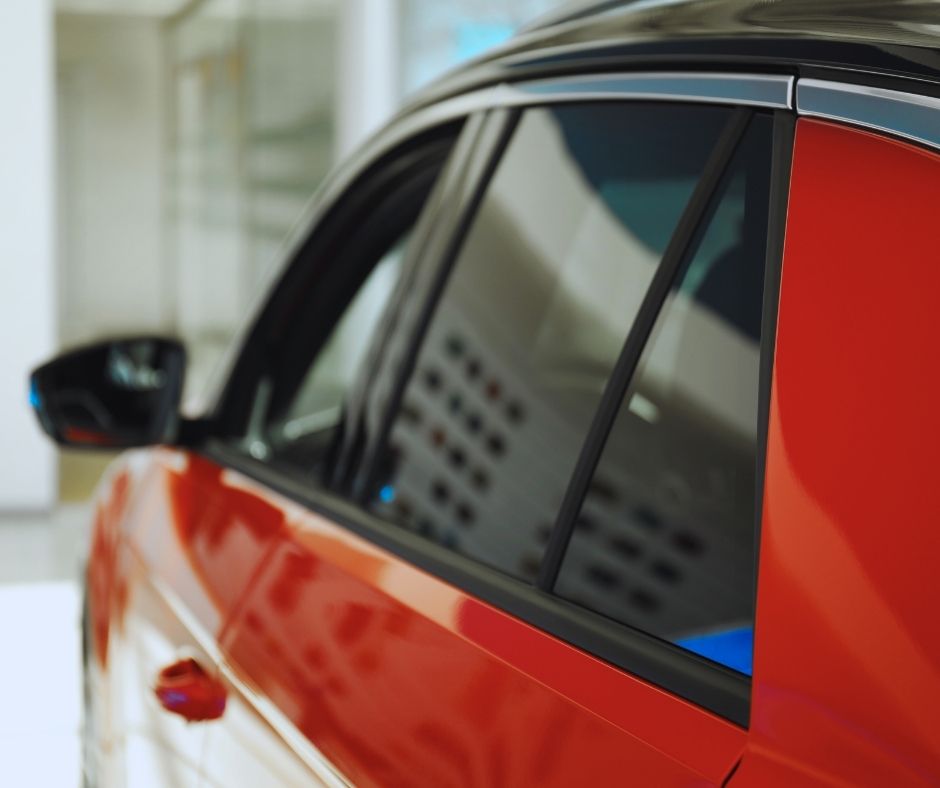
Law enforcement officers and vehicle inspectors use a specific metric to determine whether a tinted window is legal. This metric is known as visible light transmission, commonly abbreviated as VLT. Visible light transmission measures the exact percentage of visible light that successfully passes through the glass and enters the vehicle cabin. A film rated at five percent VLT allows only five percent of visible light to pass through, resulting in a very dark appearance. Conversely, a 50 percent VLT film allows half of the visible light to pass through, creating a much lighter appearance. Kentucky window tint law dictates the minimum visible light transmission permitted for different windows on a vehicle. These statutes exist to maintain visual clarity for the driver during nighttime operations and to allow law enforcement officers to observe the occupants of the vehicle during traffic stops. The regulations assign different limits based on the specific piece of glass. For instance, the windshield has strict limitations regarding where any film can be applied. The front side windows, located directly next to the driver and front passenger, must maintain a higher visible light transmission percentage than the glass located in the rear of the vehicle. Furthermore, Kentucky law distinguishes between different classifications of vehicles. A standard four-door sedan faces different visible light transmission rules for its rear doors and back windshield than a multi-purpose vehicle, such as a full-size SUV or a crew-cab pickup truck. Proper automotive window tinting Radcliff KY installations account for these differences. A critical detail in achieving legal compliance is calculating the net visible light transmission. Automotive glass shipped from the manufacturer is almost never 100 percent clear. Factory glass typically meters between 70 and 80 percent VLT on its own. If an installer applies a film rated exactly at the state limit to factory glass, the combined net VLT will drop below the legal threshold. Professional technicians calculate this net value prior to application, selecting a film shade that keeps the final metered number compliant with Kentucky statutes.

Visible Light Is Just One Factor

Total solar energy consists of visible light, ultraviolet rays, and infrared radiation. A window film can maintain high visible light transmission while still rejecting massive amounts of heat by selectively blocking the infrared spectrum.

Metalized Films Block Radio Frequencies

Older metalized window tints reflect solar energy effectively but create a barrier for electronic signals. The microscopic metallic layers block radio frequencies, disrupting cell phone reception, GPS navigation units, and tire pressure monitoring systems.

Factory Glass Already Has A Tint Rating

Automotive glass straight from the factory is rarely entirely clear. Standard factory glass often meters at roughly 70 to 80 percent visible light transmission, meaning any applied window film must account for this baseline to remain legally compliant.

The Physics of Solar Heat Gain in Vehicles

Understanding why dark films are no longer the only option requires looking at the actual composition of sunlight. The solar spectrum consists of three primary bands of energy that reach the surface of the earth. The first is visible light, which allows the human eye to perceive the surrounding environment. The second is ultraviolet radiation, which is invisible but causes chemical degradation and physical damage. The third is infrared radiation, which is also invisible but carries the vast majority of the physical heat felt by the human body. When discussing the performance of a window film, total solar energy rejected functions as the most accurate measurement. Total solar energy rejected accounts for all three bands of the solar spectrum combined. If a film blocks visible light effectively but allows infrared radiation to pour through the glass, the cabin will still become hot. Older approaches to automotive window tinting Radcliff KY projects relied entirely on blocking the visible light band. If the driver wanted a cooler vehicle, they applied a darker film. Today, the focus has shifted to infrared rejection. A window film that actively blocks the infrared spectrum will keep the interior cabin cool even if the film has a high visible light transmission percentage. This physical separation between darkness and heat rejection provides drivers with legal, comfortable options for their daily commutes along the Bluegrass Parkway.

The Generational Shift in Window Film Construction

The materials used to manufacture window film have evolved significantly. The earliest products on the market relied entirely on dyes. A dyed film consists of a basic polyester substrate coated with a layer of chemical dye. These films absorb solar energy and reduce visible light transmission, providing privacy and a darker aesthetic. However, dyed films present multiple physical limitations. Because they absorb heat rather than reflecting it, the glass itself becomes extremely hot, eventually radiating that thermal energy directly into the cabin. Additionally, the chemical bonds within the dye break down under continuous exposure to ultraviolet radiation. This breakdown causes the film to fade, blister, and turn a distinct shade of purple over a few seasons of heavy sun exposure. To solve the fading problem and improve thermal performance, manufacturers introduced metalized layers to the film structure. Through a complex deposition process, microscopic metallic particles were embedded into the polyester substrate. Instead of simply absorbing heat, these metal particles actively reflected solar energy away from the vehicle. Metalized films provided excellent total solar energy rejection and resisted fading over time. Unfortunately, metalized films created an entirely new set of problems for modern vehicles. The metallic layer essentially created a Faraday cage around the cabin. This barrier interfered heavily with the radio frequencies required for modern technology to function. Drivers experienced dropped cell phone calls, interrupted GPS navigation signals, and malfunctioning tire pressure monitoring systems. Finding a solution that rejected heat without disrupting electronics became the priority for automotive window tinting Radcliff KY installations.

Nano-Ceramic Technology and Infrared Rejection

The solution to the limitations of dyed and metalized products arrived with the development of nano-ceramic technology. A nano-ceramic film replaces the metallic layer with microscopic ceramic particles embedded deeply within the polyester substrate. Ceramics are highly stable materials that do not suffer from chemical degradation under ultraviolet light, meaning a ceramic film will never turn purple or fade over time. More importantly, ceramic particles are completely non-conductive. They do not block radio frequencies or create any form of signal interference. A driver with a ceramic film applied to their vehicle can rely on perfect cell phone reception, accurate GPS tracking, and uninterrupted sensor communication while navigating through Elizabethtown or Vine Grove. The primary advantage of a nano-ceramic layer is its interaction with the solar spectrum. Ceramic particles are engineered to specifically target and reject infrared radiation. By blocking the invisible heat band of the spectrum, ceramic films provide massive thermal relief for the cabin. This allows a driver to select a lighter, legally compliant shade for their front doors while still experiencing the heat-rejecting benefits previously associated only with limousine-style dark films. Upgrading to this technology is the foundation of high-performance automotive window tinting Radcliff KY services.

Protecting Interior Materials from Ultraviolet Degradation

While managing heat provides immediate physical comfort, blocking ultraviolet radiation protects the long-term value of the vehicle. The sun emits UV-A and UV-B rays, both of which penetrate untreated factory automotive glass. When a vehicle is parked outside a facility in Hardin County day after day, this radiation bombards the interior materials. Over time, ultraviolet exposure causes the plastic compounds in the dashboard to dry out, become brittle, and crack. Leather seating loses its natural oils, leading to severe shrinking and splitting across the seat bolsters. Upholstery fabrics and carpets fade rapidly, losing their original color saturation. Premium wood trim panels often suffer from clear coat delamination under prolonged exposure. A high-quality window film acts as a permanent sunscreen for the vehicle. Advanced films reject up to 99 percent of incoming ultraviolet rays. By stopping this radiation at the surface of the glass, the film preserves the structural integrity of the dashboard, seats, and interior trim. This level of protection is a standard feature of professional automotive window tinting Radcliff KY installations. Furthermore, this heavy UV filtration protects the driver and passengers from cumulative sun exposure during long drives on the Western Kentucky Parkway.

Modern Vehicle Glass and the Professional Wet Application Method

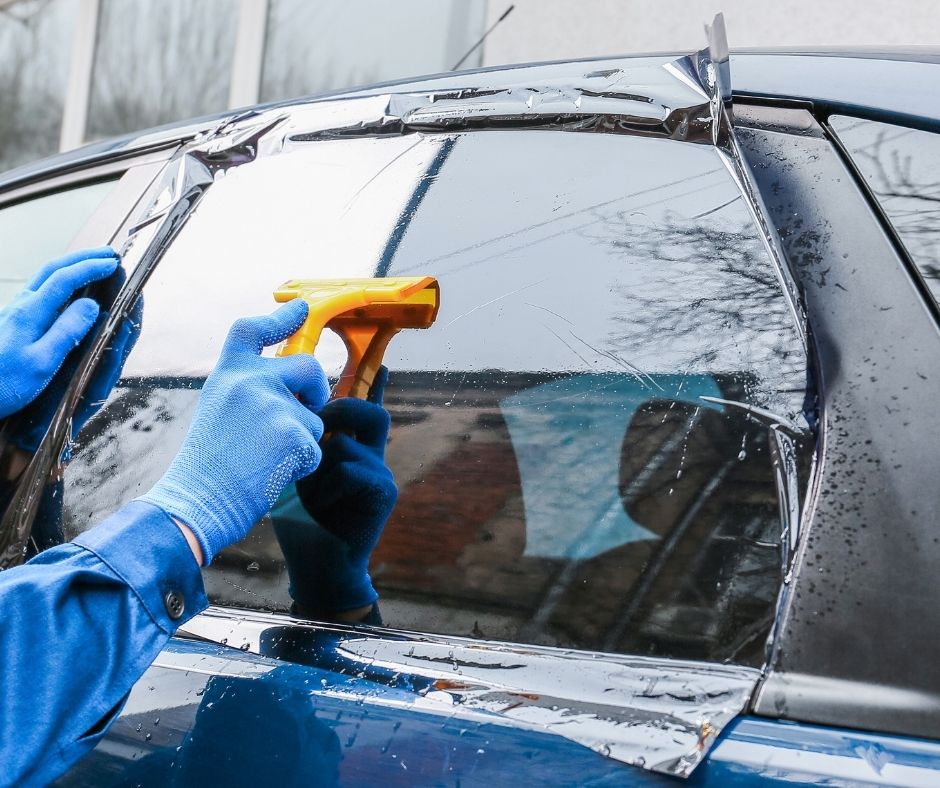
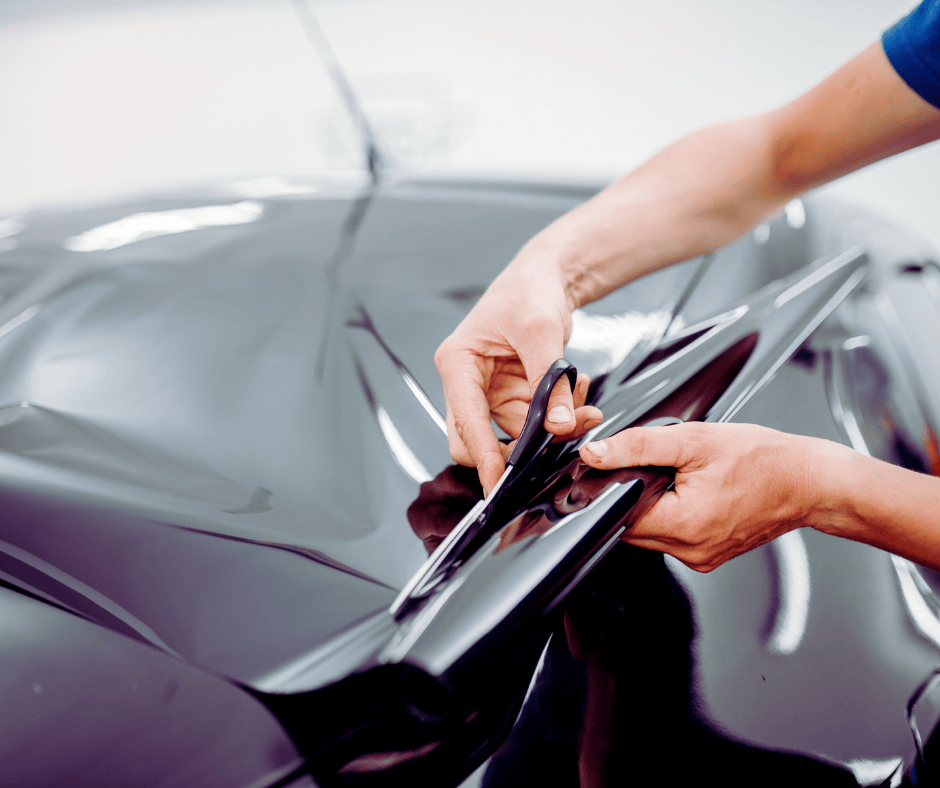
The complexity of automotive glass has increased alongside film technology. Modern vehicles frequently feature sweeping, compound curves on their rear windshields, expansive panoramic sunroofs, and tight tolerances inside the door panels. Applying a flat, two-dimensional polyester substrate to a three-dimensional curved piece of tempered glass requires specialized techniques. The process begins with an intensive physical preparation of the glass. The technician cleans the surface thoroughly, removing all dust, oils, and microscopic debris, taking extreme care around the delicate defroster lines embedded in the rear windshield. Next, the film is measured and cut using precision methods. Many facilities utilize computer-cut plotters that generate exact patterns for the specific make and model of the vehicle, establishing an exact OEM fit. Because the rear windshield carries a deep curve, the technician must heat-shrink the film on the exterior of the glass before moving it inside. A heat gun is used to carefully contract the polyester substrate until it matches the exact curvature of the window. The actual installation utilizes a professional wet application method. A slip solution is applied to the glass and the pressure-sensitive adhesive side of the film. This solution neutralizes the adhesive temporarily, allowing the technician to slide the pattern into perfect alignment. Once aligned, professional-grade squeegees are used to force the moisture and trapped air out from beneath the film. The pressure forces the adhesive to make direct contact with the glass. Following the installation, a short curing phase allows the remaining microscopic moisture to evaporate through the film structure. This rigorous process is exactly what separates high-quality automotive window tinting Radcliff KY results from temporary, bubbling applications.

The Multiline Approach to Vehicle Customization

Vehicles vary drastically in their design, and drivers possess different priorities for their daily commutes. Applying a single brand of film to every vehicle fails to account for these specific differences. A multiline dealer approach provides the flexibility required to match the exact right film to the specific piece of glass. By carrying and installing select films from a wide variety of manufacturers, a technician can address specific technical requirements. A multiline dealer maintains access to products from 3M, LLumar, Madico, Sunscape, Huper Optik, V-KOOL, SunTek, ASWF, Solar Gard, Sun Gard, Wincos, and Hanita. On the paint protection side, XPEL serves as a dedicated option. If a driver requires maximum infrared rejection for an electric vehicle to reduce the air conditioning load and preserve battery range, the technician can select a specific nano-ceramic product line. If a driver wants a specific charcoal hue to perfectly match the factory privacy glass on the rear half of an SUV, the technician can source a carbon-based film from a different manufacturer that provides the exact visual match. This flexibility allows automotive window tinting Radcliff KY projects to be evaluated based on the needs of the driver rather than the constraints of a single-brand inventory.

Securing the Right Contractor for Your Vehicle

Selecting a window film contractor involves evaluating operational history, technical knowledge, and the commitment to state compliance. Sun Tint provides over 40 years of window film installation experience, having been in business since late 1986. With highly trained installers and a strict adherence to professional wet application methods, the team delivers precise, bubble-free results across all vehicle types. Operating from the Radcliff branch located at 1690 S Dixie Blvd, 40160, Sun Tint serves Hardin County and the adjacent Kentucky markets. With mobile service options, flexible scheduling, and six total locations spanning Kentucky and Southern Indiana, the logistics of scheduling a vehicle for service remain convenient for busy drivers. Sun Tint operates exclusively as a window film contractor and multiline dealer, avoiding the generic approaches of large automotive accessory franchises. For drivers looking to reduce cabin heat, protect their interior materials, and guarantee full compliance with state law, Sun Tint offers free estimates and free no-obligation on-site consultations. Transparent, competitive pricing is calculated and shared clearly before any work begins on the vehicle. Reach out today at (270) 390-4446 to explore the automotive window tinting Radcliff KY solutions available for your specific vehicle and commute.
Redirect to:


Kentucky window tint law dictates specific visible light transmission minimums that vary depending on the window position and the vehicle classification. Front side windows generally require a higher light transmission, while rear side and back windows on SUVs can sometimes be darker. Every installation is calculated to meet current state compliance requirements.
Automotive window tinting pricing depends on the number of windows, vehicle size, glass complexity, and the specific film technology selected, such as nano-ceramic or traditional dyed film. Transparent, competitive pricing is calculated and shared with the vehicle owner before any work begins.
No, ceramic window film does not interfere with cellular, GPS, or tire pressure monitoring signals. Unlike older metalized films that reflect heat but disrupt radio frequencies, nano-ceramic films reject infrared heat using non-conductive materials, keeping the cabin cooler without causing device connectivity issues.